Agent Observability
Trace tool calls, decisions, failures, approvals, and costs across agent runs.
Topic guide
Go deep on agent observability.
Read the full IndieFounder collection, from fundamentals to production implementation, security boundaries, failure modes, and operational practices.
All Agent Observability articles
Newest and most relevant articles first. The collection grows automatically as new articles are published.
AI Agent Latency Monitoring: How to Find Slow Agent Workflows
Agent latency is distributed across model calls, tools, queues, databases, and external APIs.
MCP Observability: What to Log for Agent Tool Usage
When agents use multiple MCP servers, debugging requires a clear trail of discovery and execution.
AI Agent Tracing: How to Design End-to-End Agent Traces
A useful trace should explain what an agent did, why it did it, and where the workflow spent time.
AI Agent Evaluation Metrics: How to Measure Production Quality
Successful HTTP requests do not prove that an agent completed the right task.
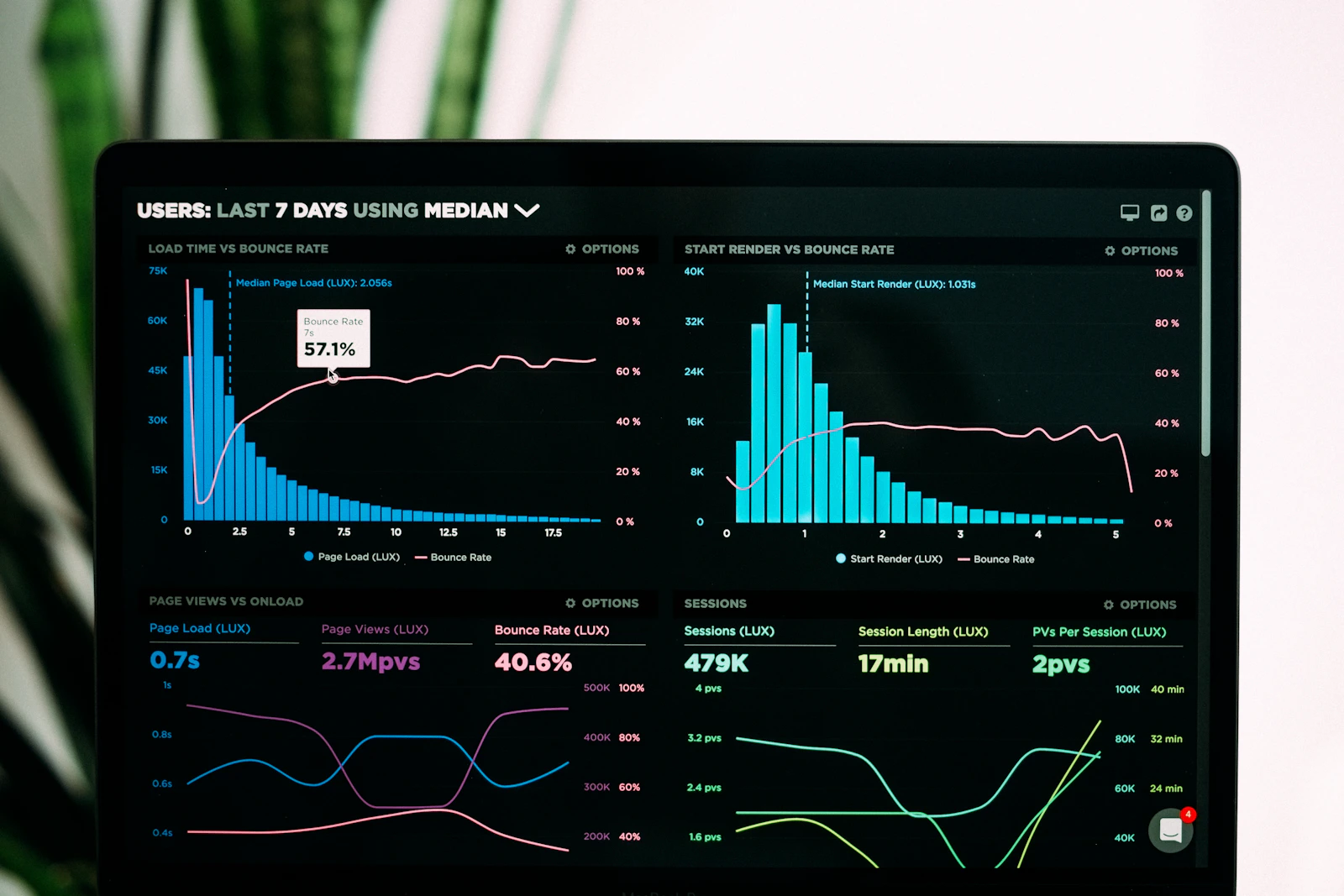
GitHub Copilot OpenTelemetry Arrives: Agent Observability Playbook for Indie Founders
On September 22 GitHub enabled managed OpenTelemetry export for Copilot agents. Solo builders finally get the same session traces enterprises already use—here is how to apply it to your micro-SaaS agents this week.
AI Agent Audit Logs: What to Record for Security and Debugging
Agent logs should explain who requested an action, which tool was selected, what was authorized, what happened, and what data crossed the boundary.
AI Agent Failure Classification: How to Debug Production Runs
Not every failed agent run has the same cause.
AI Agent Cost Observability: How to Attribute Spending Per Workflow
Agent cost is difficult to control when model calls and external services are not tied to individual workflows.
AI Agent Session Replay: How to Debug Multi-Step Agent Runs
Multi-step agent failures are difficult to reproduce because the final error often hides the earlier decision that caused it.
AI Agent Production Dashboards: What to Monitor After Launch
A production dashboard should answer whether agents are working, becoming expensive, getting slower, or creating risk.
AI Agent Alerting: How to Build Useful Production Alerts
Alerting every time an agent fails creates noise and teaches teams to ignore monitoring.
AI Agent Observability: What You Should Log
Agent logs should reconstruct what happened without becoming a dump of sensitive customer data.
How to Evaluate an AI Agent Before Putting It Into Production
Stop testing agents with a few happy paths. Use a repeatable evaluation set that covers task success, tool use, failures, safety, latency, and cost.
AI Agent API Cost Controls: How to Prevent Runaway Spending
A looping agent can turn an inexpensive API integration into an unexpected bill.
AI Agent Architecture: Models, Tools, Memory, Permissions and Logs
A production agent is a software system around a model. Separate reasoning, tools, state, permissions, approvals, and observability.
Choosing an AI Model for Your Agent: Cost, Speed and Reliability
Choose the model from a workflow benchmark. The real unit is cost per successful task after retries, tool calls, latency, and human corrections.
OpenAI vs Claude for Building AI Agents: What Developers Should Compare
Compare OpenAI and Claude on the runtime details that affect your workflow: tools, state, sandboxing, latency, cost, and evaluation.
More from the hub
Explore another topic
AI Agent Security
Protect agents, tools, credentials, data, and execution environments.
ExploreAgent Permissions
Design least-privilege access and approval boundaries for autonomous agents.
ExploreTool Calling
Understand how agents safely call APIs, databases, browsers, and external tools.
ExploreAgent APIs
Build reliable APIs and interfaces for agents that need to take actions.
Explore